The development of safety barriers is strongly connected with the development of cities and the necessity to provide people with safety in the city environment. Since the early civilization of simple stone walls and wooden fences, barriers have been critical in demarcation, control of movement and safeguarding of human life since the development of the engineered steel and polymer systems.
Infrastructure development is booming in Saudi Arabia under the Vision 2030, and safety barriers have been used and utilized in the city planning and safety of the people. Firms such as Hitech Barrier are building on this legacy with the current materials, modular designs and environmentally friendly designs which are more sustainable and safe.
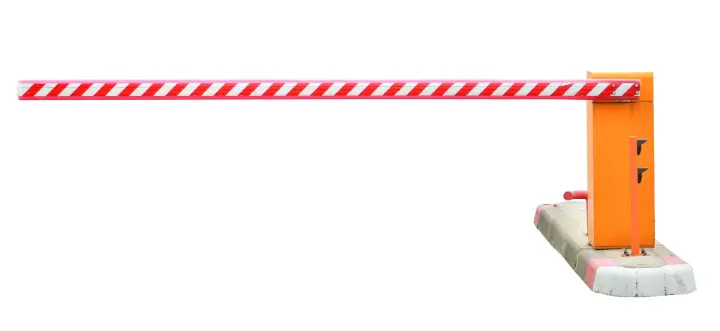
The initial phases: the Barrier Concept background.
The history of safety barriers starts with the initial type of human settlements. The walls were used in ancient cities such as Babylon, Jericho and Rome to define civic boundaries and in addition to defense. The fortification structures were later transformed to convenient safety devices.
With the industrial revolution in the 18th and 19th centuries, cities started to grow at a rapid pace. New hazards brought about by the introduction of machinery, railways, and road networks meant the creation of safety barriers, which are used particularly to prevent accidents and not to fight war. The primitive road barriers were plain wooden or metal posts, which however, set the stage behind the structured barrier systems in the modern days.
The 20th Century: The Emerging Road and Crowd Safety
The 20th century was a new step in terms of safety barrier development. Road safety became a concern of the world as automobiles and urban traffic began to grow. The governments introduced guardrails, concrete medians, and barriers to pedestrians to manage traffic movement and minimize the number of collisions.
Key milestones included
- 1950s-1970s: galvanized steel road barriers, crash cushions, and energy absorbing systems were introduced.
- 1980s-1990s: The growth of modular plastic barriers to be used on a temporary and occasion basis.
- Later 1990s and beyond: Increased attention to ergonomic and aesthetic designs of barriers to urban harmony.
The innovations contributed to the development of a new era of urban barriers in the form of not only protection, but flexibility and design assimilation.
The Contemporary Period: Obstacles in Intelligent and Sustainable Cities.
Safety barriers are a part of the smart city development in modern Saudi cities such as Riyadh, Jeddah, and Dammam. In addition to traffic control, barriers can have numerous urban purposes - they can regulate crowds and zoning in construction, protect infrastructure against floods and vehicle effects.
The contemporary safety barriers development is centered on:
- Material Innovation: The high-density polyethylene (HDPE), galvanized steel, and concrete composites are used in the strength and flexibility.
- Sustainability: Duration of recycling and re-use of materials in accordance with environmental objectives.
- Smart Integration: Safety sensors are installed on the barriers during the night and have reflective surfaces, solar lights, and sensor technology.
- Quick Deployment: Light modular designs to change location within minutes in case of an emergency.
These innovations are represented by Hitech Barrier, a major manufacturer in Saudi. Their current product lines include durability, adaptability and environmental responsibility to help support the government and individual projects throughout the Kingdom.
Comparative Overview of Barrier Evolution
The evolution of barriers shows how human innovation has advanced from basic protection structures to smart safety systems in modern cities.
| Era | Barrier Type | Materials Used | Primary Purpose |
|---|---|---|---|
| Ancient Civilizations | City walls, fences | Stone, mud, wood | Defense and zoning |
| Industrial Age | Rail barriers, fences | Iron, timber | Worker and machinery safety |
| 20th Century | Guardrails, medians | Steel, concrete | Road and traffic safety |
| Modern Urban Era | Modular and smart barriers | HDPE, galvanized steel, composites | Infrastructure, crowd, and flood safety |
The role of safety barriers in Saudi Urban Planning.
Infrastructure, transportation, and smart cities are other areas of investment that have been stimulated by the Vision 2030 of Saudi Arabia and all these spheres are linked to successful barrier development. City planners have incorporated barriers during the initial design stage, where safety is not compromised by the city's beauty.
Applications include:
- Highway projects - crash tested guardrails and median barriers.
- Pedestrian and event areas - portable and modular crowd safety systems.
- Construction sites- makeshift barriers that guarantee protection of the workers and the people.
- Coastal and flood zones - strengthened walls to avoid erosion and water penetration.
With the help of such applications, such companies as Hitech Barrier can assist Saudi authorities in maintaining safety standards that can satisfy both international and domestic environmental pressures.
Sustainability and Future Trends.
Barrier development in Saudi Arabia has a close relationship between sustainability and smart urban management, which is the future of its development. The next generation systems will be able to include:
- Waste materials were recycled to minimize production wastage.
- Energy-efficient lighting (reflective paint and solar-powered warning lights).
- Crowd / traffic monitoring through AI.
- Prolonged product life by using corrosion resistant finishes and interchangeable components.
With the change in paradigm where sustainability is a crucial consideration in any societal project, Hitech Barrier recyclable and reusable product lines are establishing a standard of modern infrastructure safety systems.
Conclusion
Since time immemorial, safety barriers have evolved and kept evolving in the history of mankind as a never-ending quest of protection, order, and strength. The growth of safety barriers reflects our urban one, that is, the achievement of the stagnant boundaries into the multi-functional safety tool.
Advanced barrier systems are important in the development of secure and sustainable cities in Saudi Arabia, which is where infrastructure development, as well as, safety of the people is a national concern. As innovators such as Hitech Barrier take the lead in the transformation, the Kingdom is re-inventing the process of barrier protecting and safeguarding life, infrastructure and a smarter and safer future.