The cities in Saudi Arabia are expanding at an alarming rate due to Vision 2030, which is placing more people, traffic and urbanization than they have ever had. Along with this expansion comes the increased need to have barriers to the safety of the city, especially those barriers created to defend the pedestrians. The rush crossings, school areas, and traffic intersections each year remind the importance of pedestrian obstructions in KSA to guarantee safety and proper mobility in a city.
The infrastructure of safety in such cities as Riyadh, Jeddah and Dammam has a significant role in the minimization of road accidents and the directing of people on the roads. The companies like Hitech Barrier are processing on that path and have been developing and installing contemporary barrier for city safety that comply with safety and urban design specifications of Saudi Arabia.
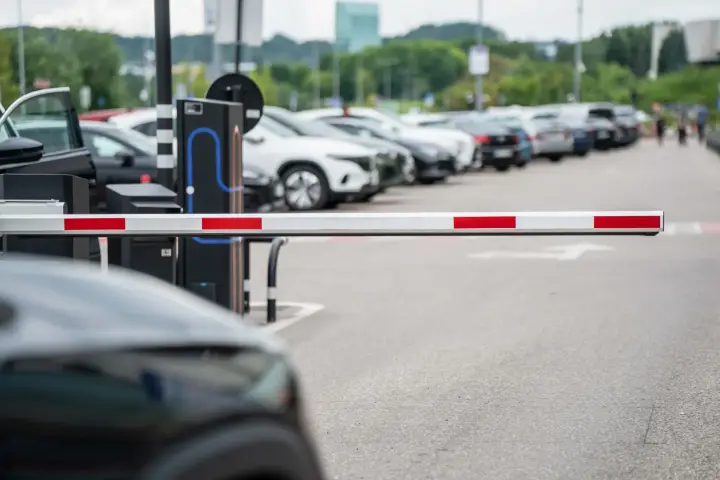
Importance of Pedestrian Barriers KSA
Urban mobility is based on pedestrian safety. The walkers in commercial and residential areas have also increased as new roads, metros and other means of transport are being built in the Saudi cities. In the absence of adequate physical barriers to protect the city, the pedestrians are likely to be subjected to a struggle between vehicles particularly at intersections and bus stops.
Transport authorities report that pedestrian barriers that are located strategically in KSA have been effective in reducing accidents in the urban centers by up to 40% of the cases. They act as physical and psychological guides- they control foot traffic, reduce jay walking as well as enhancing road discipline.
Types of Pedestrian Barriers Used in Saudi Arabia
Pedestrian barriers improve crowd control and roadside safety across Saudi cities, highways, public venues, and construction zones.
| Barrier Type | Material | Primary Use | Key Features |
|---|---|---|---|
| Fixed Steel Barriers | Galvanized Steel | Road edges, crossings | Strong, corrosion-resistant |
| Modular Barriers | HDPE or Steel | Events, public areas | Portable and reusable |
| Decorative Barriers | Stainless Steel | Malls, parks | Aesthetic and durable |
| Temporary Barriers | Plastic or Metal | Construction sites | Lightweight and easy to install |
The operation of Pedestrian Barriers.
Pedestrian barriers are made in a manner that is not only to restrict movement, but also to regulate it. Their crossings are not unsafe due to their power and structure, and their visibility and beauty within the city landscape.
Common uses include:
- Ensuring walkways and roads are not adjacent so that people walk into the road.
- Guiding foot movement to the areas of safe crossing.
- Securing waiting areas at bus stations, schools and so on.
- Establishing security enclosures within the venue or busy shopping places.
Barriers used in Saudi cities are of durable galvanized steel or polymer coverings that resist high temperature, sandstorms and daily wear. The designs of Hitech Barrier are a combination of safety performances and smooth finish to match with modern urban sceneries.
The major advantages of Pedestrian Barriers in KSA.
Improved Public Safety
Minimize the number of accidents and make sure that pedestrians cross only at the crossing points.
Efficient Traffic Flow
Barriers as well direct vehicles and pedestrians to alleviate the problem of congestion at corners.
Durability and Strength
Saudi environment demands rust-free and weather-resistance-materials - which is a norm in all pedestrian barriers all over KSA through popular vendors such as Hitech.
Enhanced Urban Aesthetics
New designs of barriers enhance the visual appearance of cities and ensure a high level of safety.
Adaptability for Projects
City safety barriers, regardless of the type of malls, schools, construction, or even parks, can be designed to fit in terms of size, material, and finishing.
Pedestrian Barriers and Vision Goals 2030
Saudi Arabia intends to make the major cities livable and safer on the roads as part of Vision 2030. Pedestrian barriers installation in KSA is directly associated with these objectives since it minimizes road carnage and maintains walkable neighborhoods.
Hitech Barrier is a barrier for city safety in that it provides advanced barriers to city safety integrating global engineering and local climatic customization. Their systems facilitate the urban development plans, transportation projects or smart city frameworks throughout the Kingdom.
Design Standards and Local Compliance.
The most important standards to consider when choosing pedestrian barriers in Saudi Arabia are the ministry of transport and municipal safety standards. Quality barriers should provide:
- Adequate height and distance to avoid crossing.
- Rounded edges for safety.
- Night visibility reflexive coating.
- Powerful base anchoring to avoid wind action and impact.
Hitech manufacturing is of the safety standards accepted by Saudi and GCC, which result in long installations in infrastructure and open spaces across the city.
The place of Barriers in School and Event Safety
Other than roads, the city safety barriers are significant in managing the huge crowds like sport events, festivals, and school roads. Modular systems and pedestrian fences are used to keep order and prevent accidents, as well as the movement of the crowd is not interrupted.
As an instance, by placing Hitech pedestrian barriers, which are in a modular design, at various points in large outdoor venues in Riyadh, the movement has been directed, waiting lanes have been formed, and VIP or family areas have been separated, among other things, with excellent performance and aesthetics.
Conclusion
Pedestrian barriers in KSA being installed are not merely a precautionary method, it is an investment that is made in efficiency of the city and trust in its people. With the further growth of Saudi cities, these obstacles will be the fundamental elements of minimizing pedestrian harm, enhancing traffic management, and making urban life smoother.
The future of barriers in city safety in Saudi Arabia is not only safe but sustainable, with such leaders as Hitech Barrier establishing the new standards of the design and manufacturing, which will continue the process of making the country produce safer, smarter, and more walkable cities.